Background
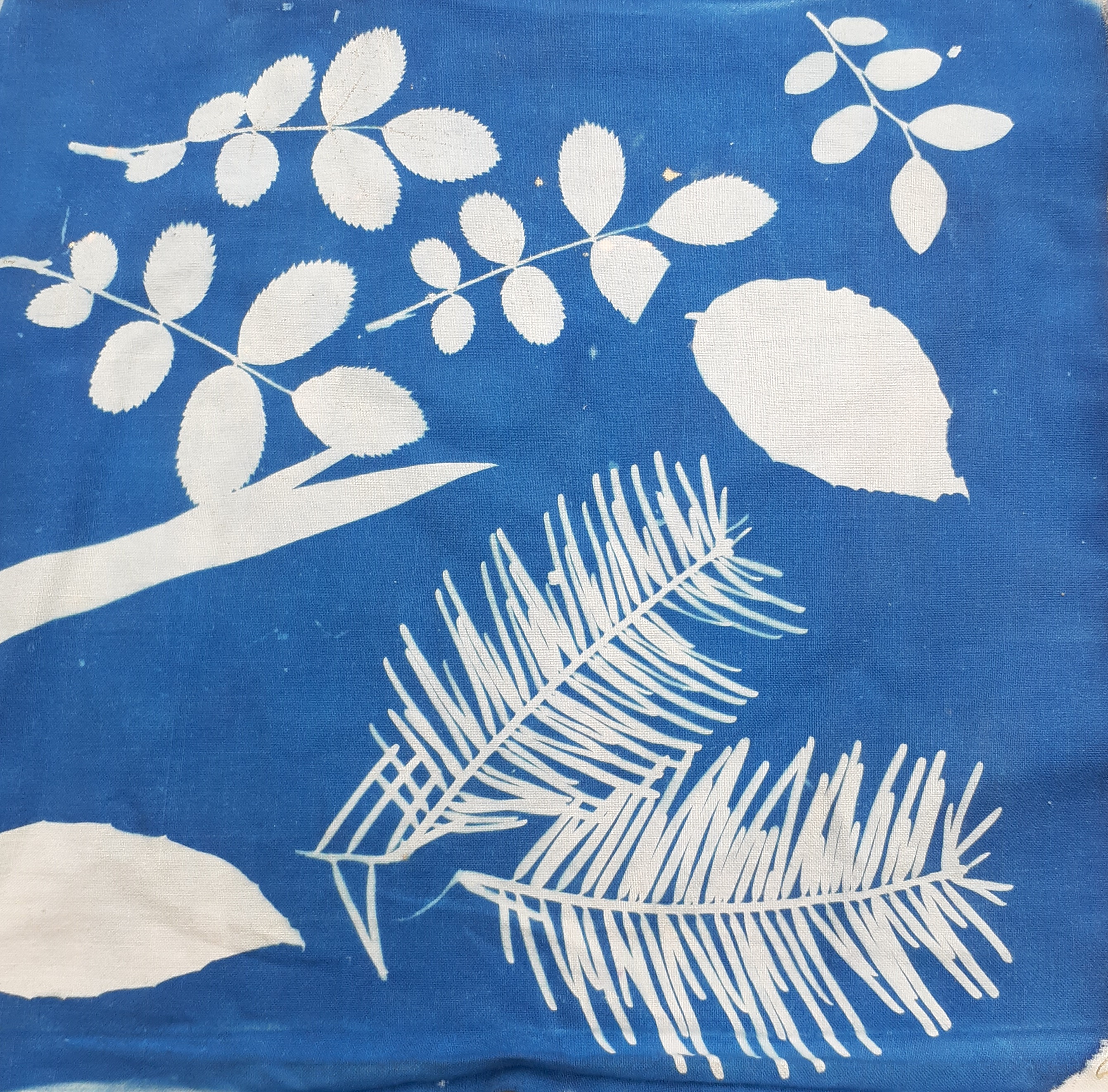
Cyanotype is a photographic process that was historically employed to produce blueprints. This technique utilizes a chemical solution consisting of potassium ferricyanide and ferric ammonium citrate, the latter being sensitive to ultraviolet light. When these chemicals are combined and applied to paper or fabric, they form a light-sensitive surface. Exposure to sunlight reduces the ferric salt, allowing it to react with ferricyanide and produce ferric ferrocyanide, commonly known as Prussian blue. During the development process, washing the print in water removes any unexposed chemicals shielded from light by objects, leaving behind the characteristic blue image, which further intensifies upon drying.
Materials
- Cyanotype chemicals (part A and B)
- Stiff paper or cloth
- Glass or plexiglass to press the objects flat
Directions
- Mix equal amounts of the two stock solutions in a room with reduced lighting. The room does not need to be completely dark, but it should have less light than daylight. Apply the activated solution to paper or cloth and allow it to dry in darkness. A small amount can be used as a test strip.
- Arrange objects such as stencils, leaves, or other flat items on the sensitized sheet. Bulky objects will produce less defined shadows. Use a piece of glass or plexiglass to hold the objects in place and ensure they remain flat.
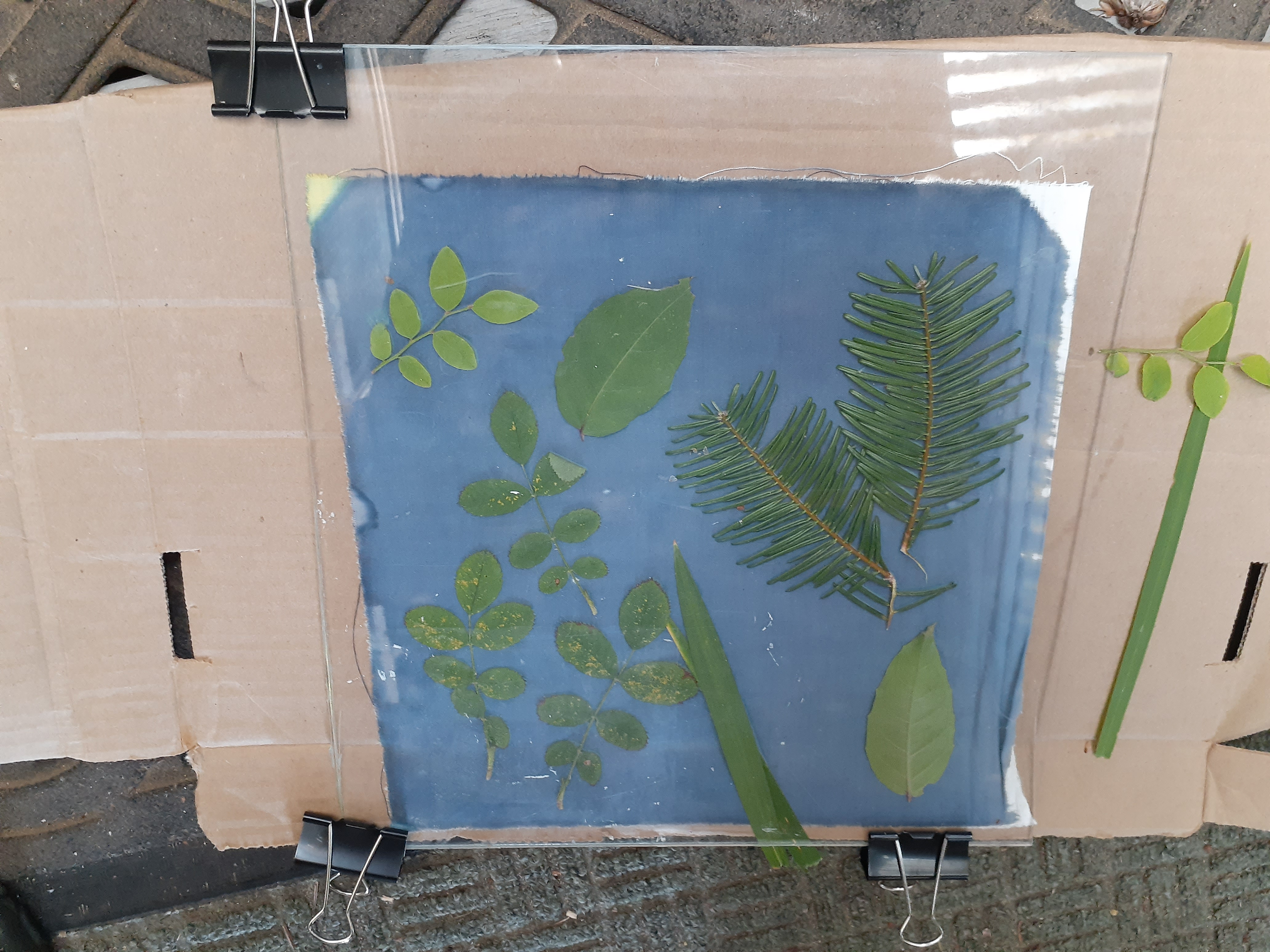
- Expose the prepared sheet to sunlight. The chemicals will react and change color after a few minutes, possibly turning blue, tan, or green. It is helpful to expose the test strip in increments to determine optimal exposure time, as ultraviolet intensity may vary depending on weather conditions.
- After exposure, remove the print. There will be a shadow pattern where objects blocked the light and a colored background in areas that were exposed. Washing with cold water removes unreacted chemicals, leaving white shadows, while the exposed sections turn blue.
- Allow the print to dry thoroughly. The color typically darkens as drying and further oxidation occur.
Variation:
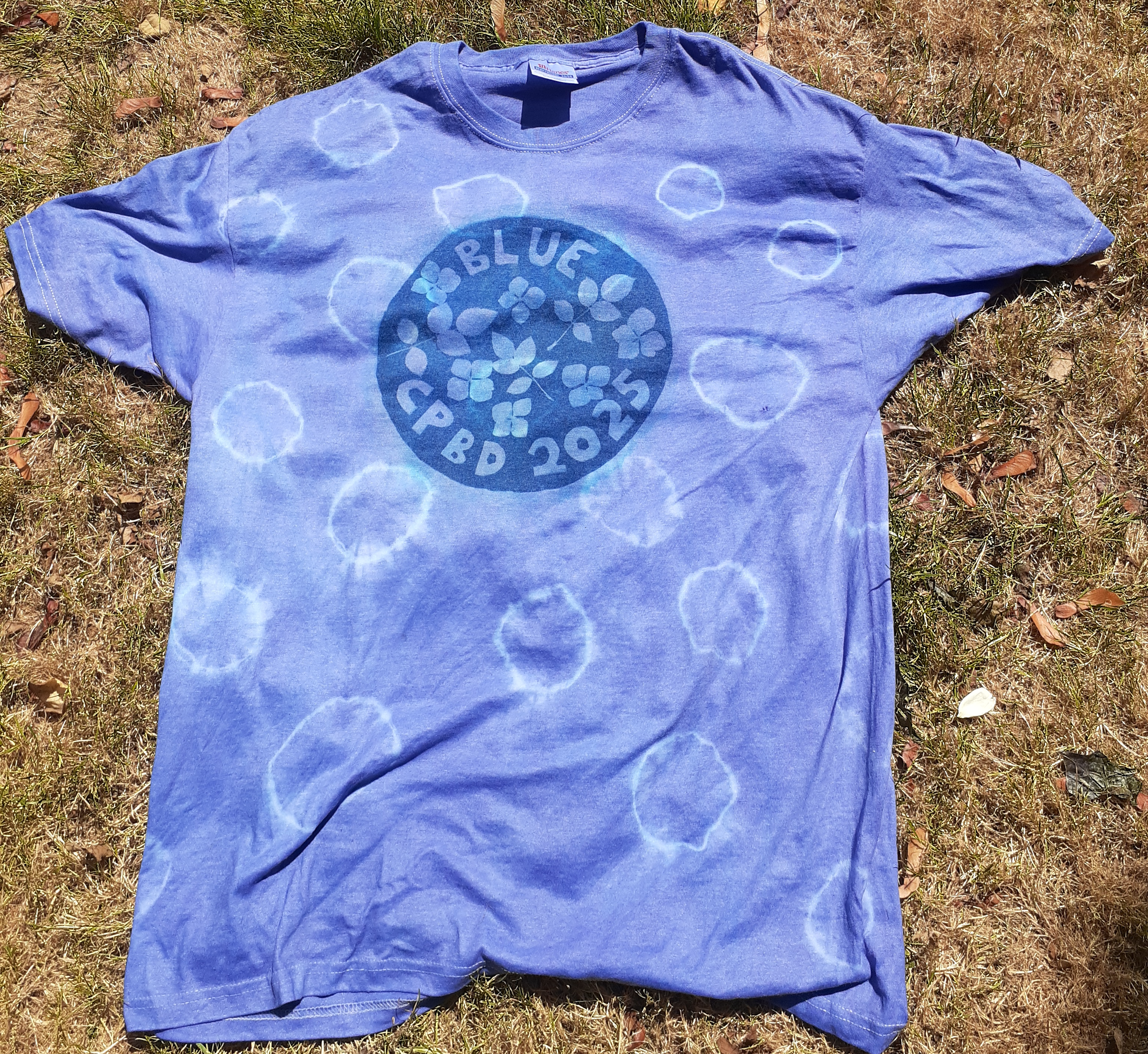
A similar process can be performed using natural pigments like turmeric. Dissolve turmeric in rubbing alcohol, apply it to paper, and let it dry. Expose the turmeric-coated paper to sunlight; ultraviolet light bleaches the pigment, resulting in a dark shadow and lighter background. Turmeric prints are not permanent and will eventually fade if exposed to light for extended periods.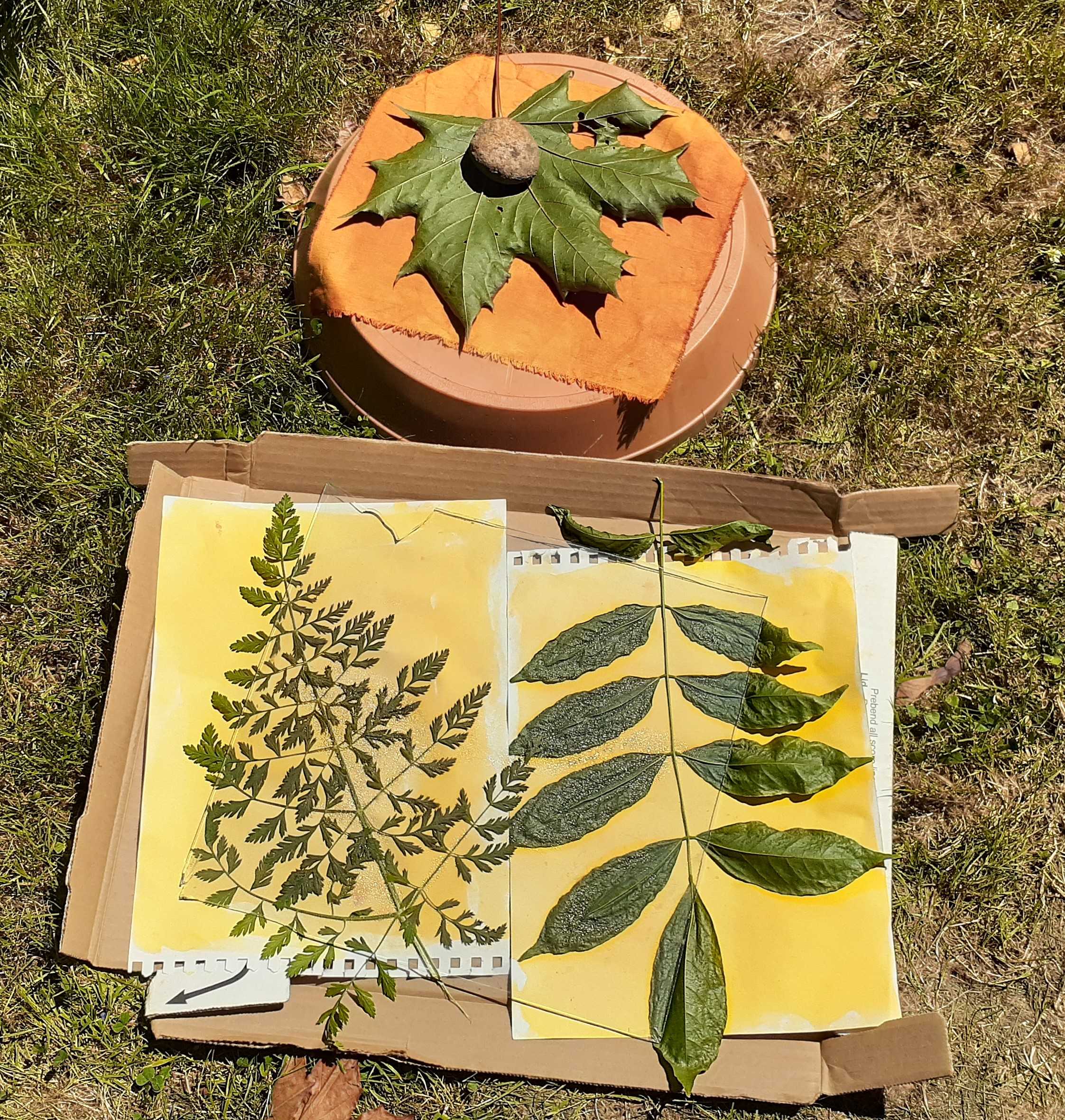
Sources
Cyanotype chemical kit https://www.amazon.com/dp/B0CYLL1WCT?ref=ppx_yo2ov_dt_b_fed_asin_title&th=1 $12.90